Maid Marian: “The desert could accomodate 100,000”

This story from the Seattle Times / Associated Press discusses the fact that no-one seems to have come out and complained about the new Environmental Assessment.

It seems an increase to 70,000 participants or more could still be on the cards.

with a week to go for public comment on it, organizers’ request to boost the event’s maximum allowable crowd size by 20 percent to 70,000 is attracting only scant opposition – and none from the environmental organization.

Veteran Sierra Club activist Tina Nappe of Reno attributes the reversal of the position to Burning Man organizers’ track record of cleaning up and addressing environmental concerns at the largest outdoor arts festival in North America.

Black Rock LLC, which runs the weeklong celebration of radical self-expression and self-reliance leading up to Labor Day, recognizes the desert environment has limitations and strives to minimize environmental impacts, she said.

The federal Bureau of Land Management oversees the eclectic art and music gathering because it’s staged on public land in the scenic, sprawling Black Rock Desert, about 100 miles north of Reno.

“BRLLC, because of running the gauntlet of BLM regulations and addressing local concerns, has become a model citizen,” Nappe wrote by email. “BLM’s `leave no trace’ program has received a real boost by Burning Man.”

Cory Roegner, of the BLM’s Black Rock Field Office, said no group has come out so far against organizers’ proposed five-year license that would increase the crowd cap from 58,000 to 70,000 over the next five years.

Fewer individuals than past years have lodged complaints, he said, and the reason for the dampened opposition is twofold.

“Organizers have been doing a great job of cleaning up and leaving no trace,” Roegner said. “I think they’re also providing a lot of economic benefits to northern Nevada, which I think members of the public are responding to.”

The festival pumps millions into the economy of a state that leads the nation in foreclosures and unemployment. Burning Man participants spend an estimated $10 million around Reno, and Reno-Tahoe International Airport receives about 15,000 people from more than 30 countries for the gathering.

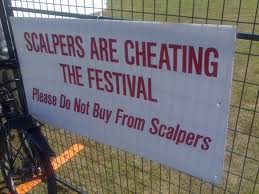
Organizers’ request to increase the capacity comes after the festival sold out for the first time last year with a crowd in excess of 53,000. The sell-out forced organizers to sell the bulk of this year’s tickets through random drawings, but demand exceeded supply thanks in part to scalpers, leaving many regulars out in the cold.

Burning Man spokeswoman Marian Goodell said organizers have shown they can handle the larger crowd, and have gone out of their way to be “good citizens.”

“There’s a lot of different things that irritate people about Burning Man, but when we hear of issues we put every effort to resolve them,” she told The Associated Press. “As the event has grown, we have prided ourselves on listening to neighbors, and I think that’s why you haven’t heard any major complaints to the latest request.”

Goodell said she thinks the desert venue could accommodate a Burning Man crowd of 100,000 or more.

How to get hurt at Burning Man

Reposting this, as it seems topical to some of the discussion in the comments.

This infographic may be useful for first time Burners to know what they may have to prepare themselves for. Out of 50,000 attendees in the permit, 4,461 of them needed medical treatment in 2009 – that’s almost a 9% chance. The closest hospital emergency room to Burning Man is in Reno – a long way to go in an emergency, even by helicopter. Fortunately, your ticket comes with medical insurance – all treatment you receive on site at Burning Man is free. The medical center is staffed by volunteers from all over the country – ironically, you probably have a better chance of getting treated rapidly and properly at Burning Man than just walking into an ER in a major city.

It seems like in recent years Burners are getting better at it:

The 2011 event had a total of 2,307 patient contacts, a decrease of over 50 percent compared with 2010; 33 patients required transport off of the playa, two of which occurred prior to scheduled ambulance deployment. EMS personnel transported 28 patients by ground, a decrease of six from the previous year, and 5 patients were flown to Reno via Care Flight

Burning Man, a former US Navy Site, is a great place for all kinds of medical and sexual experimentation…


UPDATE on tickets: Baby STEPs

It looks like STEP has not been a total failure, with 500 tickets (less than 1% of the 58,000 sold) being recycled through the program. And not every theme camp is needing tickets, so there is still a chance that some of that 10,000 ticket allotment could go towards STEP.

Unfortunately, BMorg are not going to listen to the overwhelming desire of the community to link tickets to identity, as many other festivals do to prevent the scalping problem. No official word on “why” they would do that, just like clubs don’t explain why they make you wait in line. The idea that this is “against gifting” doesn’t wash with me, if would be simple to choose which identity you want to associate with each of your tickets.

So if the tickets didn’t go to Burners, they didn’t go to family and friends of Burners, and they didn’t go to scalpers – who did they all go to? The mystery continues.

As for her other major preoccupation of the year – dealing with the fallout of a new ticketing system that left many veteran burners without tickets – Goodell said they’ve been sorting out that situation as well: distributing the final 10,000 tickets, which were going to be sold generally, through established theme camps.

Some sources have told us that demand from the theme camps had actually been less than anticipated, but Goodell said they still need to get tickets to various performers, volunteers, and art car crews. “We have a lot of people to take care of,” she said.

She also said that she’s been pleasantly surprised by the number of tickets that are being sold through the STEP ticket resale system that the Borg hurriedly established to redistribute tickets, with more than 500 being offered so far. “It’s a trickle, but it’s not stopping,” she said.

Yet there could still be a bit of grumbling to come over the tickets. The final decision for the Borg to make was whether to require ticket holders to register by name to control scalping – a decision it would need to make before tickets are mailed out in June – and sources say the Borg has decided not to do so.

With demand for tickets far exceeding anyone’s expectations this year, tickets selling out for the first time last year, and with a new system that many said could easily be gamed by scalpers, the unknown factor is how many were snapped up by scalpers who are charging exorbitant prices. The Borg has maintained that they think that number is fairly small, but we’ll see this summer.

 Thanks to Scribe at SFBG for bringing us this info. He’ll be doing a reading and leading a discussion on the state of Burning Man from 6-7pm on April 25 at the Bay Guardian office, 135 Mississippi St., SF.